

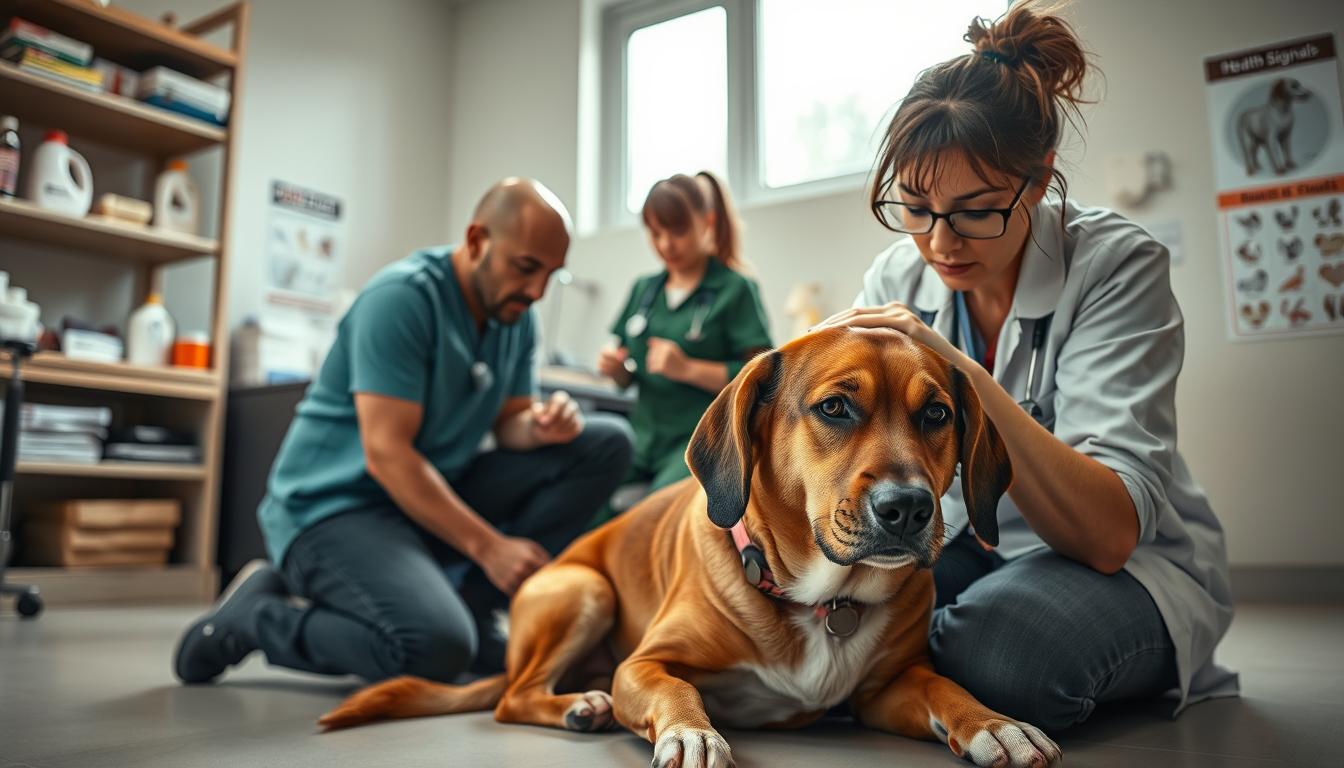
As pet owners, we want the best for our furry friends. But how do we know when they need medical attention? Recognizing the pet health signals and red flags for pets is crucial for their well-being.
Our pets can’t tell us when they’re feeling unwell, so it’s up to us to watch for signs that something’s wrong. From changes in appetite to unusual behavior, there are several indicators that veterinary care is necessary.
We’ll explore these critical health signals and provide you with practical advice to support you in caring for your pets.
Key Takeaways
- Recognize changes in appetite or water intake as potential health issues.
- Monitor for unusual behavior or lethargy in your pet.
- Keep an eye out for physical signs like vomiting, diarrhea, or difficulty breathing.
- Regular check-ups with your vet can help prevent health issues.
- Stay informed about common health issues in pets to provide the best care.
Understanding the Importance of Timely Veterinary Care
When it comes to our pets’ health, understanding the importance of timely veterinary care can be a lifesaver. As responsible pet owners, we need to be aware of the critical role that timely veterinary interventions play in maintaining our pets’ health. Timely care can mean the difference between a quick recovery and a prolonged illness.
The Impact of Delayed Treatment on Pet Health
Delayed treatment can have severe consequences on our pets’ health. Conditions that could have been easily managed with prompt veterinary care can escalate into serious health issues if left untreated. For instance, a simple infection can spread and become life-threatening if not addressed in a timely manner. We must be vigilant and proactive in seeking veterinary care to prevent such outcomes.
Balancing Observation with Action
As pet owners, it’s crucial to strike a balance between observing our pets’ behavior and taking action when necessary. While it’s natural to want to avoid unnecessary vet visits, being overly cautious can sometimes lead to delayed action. We need to be attentive to changes in our pets’ behavior, appetite, or physical condition and seek veterinary advice when we notice anything unusual.
The Cost of Waiting vs. Preventive Care
Investing in preventive care can be more cost-effective in the long run compared to treating conditions that have worsened due to delayed care. Regular check-ups, vaccinations, and preventive treatments for parasites can help avoid costly treatments later on. By prioritizing preventive care, we not only ensure our pets’ health but also manage our expenses more effectively.
Signs Your Pet Needs a Vet Visit
Pets often hide their discomfort, making it essential for owners to be vigilant about changes that could indicate a health issue. As a pet owner, being aware of the signs that signal a vet visit is necessary can help ensure your pet receives timely care.
Changes in Eating or Drinking Habits
A sudden change in your pet’s appetite or water intake can be a significant indicator of an underlying health issue. If your pet is eating or drinking more or less than usual, it’s worth investigating further.
Unusual Lethargy or Energy Levels
If your pet becomes unusually lethargic or, conversely, hyperactive, it could be a sign of an underlying condition. Monitor their energy levels and consult a vet if you notice any unusual patterns.
Persistent Vomiting or Diarrhea
Occasional vomiting or diarrhea can be common in pets, but persistent or severe cases require veterinary attention. These symptoms can lead to dehydration and other complications if left untreated.
Unexplained Weight Loss or Gain
Significant weight changes in your pet can indicate various health issues, from thyroid problems to diabetes. Regular monitoring of your pet’s weight and overall condition is crucial.
| Signs | Possible Causes |
|---|---|
| Changes in eating habits | Dental issues, digestive problems |
| Unusual lethargy | Infections, chronic diseases |
| Unexplained weight loss | Thyroid issues, cancer |
Behavioral Changes That Warrant Veterinary Attention
As pet owners, we’re attuned to our furry friends’ daily habits, but certain behavioral changes can signal underlying health issues that require veterinary attention. Pets, like humans, can exhibit changes in behavior in response to their environment or health. Recognizing these changes can prompt you to seek veterinary advice, helping you address potential problems early.
Sudden Aggression or Withdrawal
If your pet becomes suddenly aggressive or withdrawn, it may be a sign of pain, fear, or a medical issue. For instance, a normally friendly dog that starts growling or a cat that hides more than usual may be experiencing discomfort or anxiety. It’s essential to consult with a veterinarian to rule out underlying health problems.
Excessive Vocalization or Whining
Pets communicate in various ways, and excessive vocalization can indicate distress or a need for attention. If your pet is whining or barking more than usual, it could be a sign of anxiety, boredom, or a medical condition. Investigating the cause and seeking professional advice can help alleviate your pet’s discomfort.
Changes in Sleep Patterns
Just like humans, pets have their own sleep patterns. A significant change in your pet’s sleep habits, such as insomnia or excessive sleeping, can be a red flag. This change might be related to environmental factors, health issues, or age-related changes. Consulting a veterinarian can help determine the cause and appropriate action.
Unusual Hiding or Seeking Isolation
Pets often hide or seek isolation when they’re feeling unwell or stressed. If your pet is hiding more than usual or seeking solitude, it may indicate a health issue or anxiety. Monitoring their behavior and consulting with a veterinarian can help identify the underlying cause and provide necessary support.
By being aware of these behavioral changes, you can take proactive steps to ensure your pet receives the care they need. If you’re ever in doubt about your pet’s behavior, it’s always best to consult with a veterinary professional.
Physical Symptoms Requiring Immediate Care
Pets can’t tell us when they’re in trouble, so it’s up to us to recognize the physical symptoms that need immediate care. As responsible pet owners, we must be vigilant about our pets’ health and take prompt action when necessary.
Difficulty Breathing or Respiratory Distress
Difficulty breathing or respiratory distress is a life-threatening condition that requires immediate veterinary attention. If your pet is showing signs such as rapid breathing, gasping for air, or bluish discoloration of the gums or tongue, seek veterinary care immediately.
Severe Bleeding or Trauma
Severe bleeding or trauma, whether from an accident or a fight with another animal, necessitates urgent care. Apply pressure to the wound with a clean cloth and get your pet to a vet as quickly and safely as possible.
Seizures or Collapse
Seizures or collapse can be symptoms of serious underlying conditions. If your pet experiences a seizure or collapses, keep them safe by clearing the area of any objects that could cause injury and seek veterinary help.
Inability to Urinate or Defecate
The inability to urinate or defecate can lead to severe health complications. If your pet is straining and unable to pass urine or feces, it’s a sign that they need immediate veterinary care.
Extreme Pain or Discomfort
Extreme pain or discomfort in pets can manifest in various ways, including whining, panting, or restlessness. If you suspect your pet is in extreme pain, consult with a veterinarian promptly to determine the cause and appropriate treatment.
Being aware of these critical physical symptoms can help you act quickly in emergencies, potentially saving your pet’s life. Always err on the side of caution and consult with a veterinary professional when in doubt.
Age-Specific Warning Signs
Different life stages bring unique health concerns for our pets, and being informed is key to providing the best care. As pets grow and age, their needs change, and being aware of these changes can help us identify potential health issues early.
Puppies and Kittens: Development Red Flags
Puppies and kittens are bundles of energy, but their developmental stages are critical periods where certain red flags can indicate future health issues. Monitoring their growth and behavior is crucial during this period.
Growth Concerns
Watch for signs of abnormal growth rates, such as being significantly larger or smaller than littermates. These can be indicators of underlying health issues that need veterinary attention.
Vaccination Reactions
While vaccinations are crucial for protecting our young pets from diseases, adverse reactions can occur. Keep an eye out for signs of allergic reactions, such as swelling, vomiting, or diarrhea, after vaccination.
- Monitor for lethargy or loss of appetite after vaccination.
- Report any unusual behavior or symptoms to your vet.
Adult Pets: Mid-Life Health Concerns
As pets reach adulthood, new health concerns can emerge. Regular check-ups and being aware of changes in behavior or physical condition can help identify these issues early.
Reproductive Health Issues
For pets that are not spayed or neutered, reproductive health issues such as uterine infections in females or testicular cancer in males can occur. Spaying/neutering can significantly reduce these risks.
Dental Problems
Dental health is often overlooked but is crucial for overall health. Signs of dental problems include bad breath, yellow or brown teeth, and changes in eating habits.
- Regular dental checks can prevent tartar buildup and gum disease.
- Consider a dental diet or chew toys designed to reduce tartar.
Senior Pets: Aging-Related Warning Signs
As our pets age, they become more prone to certain health issues. Being aware of these can help us manage their care effectively.
Cognitive Changes
Senior pets can suffer from cognitive decline, similar to Alzheimer’s disease in humans. Signs include disorientation, changes in sleep patterns, and forgetting house training.
Mobility Issues
Arthritis and other joint issues are common in older pets, leading to stiffness and pain. Providing a comfortable environment and considering joint supplements can help alleviate these symptoms.
- Provide a comfortable, orthopedic bed.
- Consider ramps or stairs to help navigate difficult areas.
By understanding these age-specific warning signs, we can better care for our pets at every stage of their lives, ensuring they receive the right attention and treatment when they need it.
Species-Specific Health Concerns
Understanding the unique health needs of different pet species is crucial for providing the best care. As pet owners, we need to be aware of the specific health challenges that our pets may face based on their species and breed.
Dogs: Breed-Related Health Issues
Dogs, being one of the most popular pets, come in a wide range of breeds, each with its own set of potential health issues. Large breed dogs, such as Great Danes and Mastiffs, are prone to joint issues and hip dysplasia due to their size and weight.
Large Breed Concerns
- Joint pain and arthritis
- Hip dysplasia
- Cardiac issues

Small Breed Concerns
Small breed dogs, like Chihuahuas and Poodles, often face dental issues, hypoglycemia, and patellar luxation. Regular dental care and monitoring their blood sugar levels are essential for their health.
- Dental problems
- Hypoglycemia
- Patellar luxation
Cats: Feline-Specific Warning Signs
Cats have their own unique health concerns, with certain breeds being more prone to specific conditions. For example, Persian cats are known to have a higher risk of respiratory issues due to their brachycephalic nature.
Urinary Tract Issues
Cats are prone to urinary tract problems, including blockages and infections. Monitoring their litter box behavior and ensuring they have adequate water intake is crucial.
Respiratory Concerns
Some cat breeds are more susceptible to respiratory issues, such as asthma and chronic bronchitis. Keeping an eye out for symptoms like wheezing and coughing can help in early detection.
Small Pets: Rodents, Birds, and Reptiles
Small pets, including rodents, birds, and reptiles, have their own set of health concerns. For instance, rodents are prone to respiratory infections, while birds can suffer from feather plucking and respiratory diseases.
Exotic Pet Emergency Signs
It’s essential to recognize emergency signs in exotic pets, such as labored breathing, lethargy, or changes in appetite. Being aware of these signs can help you act quickly in case of an emergency.
By understanding these species-specific health concerns, we can provide better care for our pets and ensure they lead healthy, happy lives.
Emergency vs. Non-Emergency: When to Act Immediately
Distinguishing between emergencies and non-emergencies is a critical skill for any pet owner. Knowing when to act quickly can be the difference between life and death for your pet.
Life-Threatening Situations
Some situations require immediate veterinary attention. These include difficulty breathing, severe bleeding, seizures, or collapse. If your pet is experiencing any of these symptoms, do not hesitate to seek emergency care. As one veterinary expert puts it, “Time is of the essence when it comes to saving a pet’s life in an emergency.”
Conditions That Can Wait for Regular Hours
Not all health issues require immediate attention. Conditions like mild vomiting or diarrhea, or a minor cut, can typically wait for a vet visit during regular hours. However, it’s always better to err on the side of caution and consult with your vet to determine the best course of action.
Using Telehealth for Initial Assessment
Telehealth services can be a valuable resource for initial assessments. Many veterinary clinics now offer virtual consultations, allowing you to get advice on whether your pet needs immediate care. As Dr. Jane Smith notes, “Telehealth can be a great first step in determining the severity of your pet’s condition.”
“Telehealth can be a game-changer for pet owners, providing quick access to veterinary advice without the need for an immediate clinic visit.”
Creating an Emergency Action Plan
Being prepared is key to handling pet emergencies effectively. Create an emergency action plan by identifying the nearest 24-hour veterinary hospital, keeping a pet first aid kit on hand, and having a list of emergency contact numbers. We recommend practicing your plan so that you’re ready if an emergency arises.
By understanding the difference between emergencies and non-emergencies, and being prepared, you can ensure your pet receives the care they need in a timely manner.
Recommended Veterinary Clinics in Auckland
When it comes to the health of your pet in Auckland, having access to top-notch veterinary care is essential. We understand that finding the right clinic can be daunting, so we’ve compiled a list of some of the top veterinary clinics across Auckland.
North Auckland Veterinary Options
North Auckland is home to several excellent veterinary clinics. Some of the top options include:
Clinic Websites and Contact Information
- Auckland Veterinary Centre – Website | Phone: 09 489 4594
- Vetcare Albany – Website | Phone: 09 414 2424
Specialties and Services
These clinics offer a range of services, from general health checks to specialized surgeries. For instance, the Auckland Veterinary Centre provides advanced dental care and orthopedic surgery.
Central Auckland Trusted Clinics
Central Auckland is served by a number of well-regarded veterinary clinics. Some of the trusted options include:
Location Links and Hours
- City Vet – Website | Location: 123 Symonds St, Auckland | Hours: Mon-Fri, 8am-6pm
- Veterinary Specialist Services – Website | Location: 56 Parnell Rd, Parnell, Auckland | Hours: Mon-Fri, 8am-5pm
Emergency Services Available
Both clinics offer emergency services, with City Vet providing after-hours care through their emergency hotline.
South Auckland Veterinary Services
South Auckland also boasts a variety of veterinary clinics. Some of the notable ones are:
Affordable Care Options
- Manurewa Vet Clinic – Website | Phone: 09 266 3711
- Totara Vet Clinic – Website | Phone: 09 278 8586
Multi-Species Specialists
These clinics cater to a variety of pets, including dogs, cats, and small animals, offering comprehensive care.
24-Hour Emergency Veterinary Hospitals
For life-threatening emergencies, Auckland has several 24-hour veterinary hospitals.
When to Use Emergency Services
Emergency services should be used in cases of severe injury, poisoning, or other critical conditions. The Animal Emergency Centre is one such facility, providing round-the-clock care.
| Clinic Name | Location | Contact Information | Emergency Services |
|---|---|---|---|
| Auckland Veterinary Centre | North Auckland | Phone: 09 489 4594 | Yes |
| City Vet | Central Auckland | Phone: 09 309 4426 | Yes |
| Manurewa Vet Clinic | South Auckland | Phone: 09 266 3711 | Limited |

Conclusion: Being Proactive About Your Pet’s Health
As a pet owner in New Zealand, being proactive about your pet’s health can make a significant difference in their quality of life. Throughout this article, we’ve explored various signs that indicate a need for veterinary care, discussed age and species-specific health concerns, and provided resources for finding the right vet in Auckland.
By staying informed and vigilant, you can ensure your pet receives the best possible care. We encourage you to take an active role in your pet’s health and well-being, whether it’s monitoring their behavior, maintaining regular check-ups, or seeking immediate care when needed.
Proactive pet care is not just about reacting to health issues; it’s about preventing them. By being aware of the signs and symptoms that require veterinary attention, you can help prevent minor issues from becoming major health concerns. As a responsible pet owner, you play a vital role in maintaining your pet’s health, and we’re here to support you every step of the way.
FAQ
What are the common signs that my pet needs to see a vet?
Common signs include changes in eating or drinking habits, unusual lethargy, persistent vomiting or diarrhea, and unexplained weight loss or gain. We also recommend monitoring for behavioral changes, such as sudden aggression or withdrawal, and physical symptoms like difficulty breathing or severe bleeding.
How do I know if my pet’s condition is an emergency?
Life-threatening situations include difficulty breathing, severe bleeding, seizures, or extreme pain. If you’re unsure, it’s always best to err on the side of caution and seek immediate veterinary attention or contact a 24-hour emergency veterinary hospital like the Animal Emergency Centre.
What are some age-specific health concerns for pets?
Puppies and kittens require monitoring for developmental red flags, while adult pets may experience mid-life health issues like reproductive problems or dental issues. Senior pets often face aging-related warning signs, such as cognitive changes or mobility issues. Regular check-ups with your vet can help identify these concerns early.
Are there specific health concerns for different pet species?
Yes, different species have unique health concerns. For example, dogs are prone to breed-related issues, while cats are susceptible to urinary tract issues and respiratory concerns. Small pets like rodents, birds, and reptiles have their own set of health concerns, such as exotic pet emergency signs.
Can I use telehealth for my pet’s initial assessment?
Telehealth can be a useful tool for initial assessments, allowing you to consult with your vet remotely. However, it’s essential to follow up with an in-person visit if recommended by your vet. Many Auckland veterinary clinics, such as Vetcare Auckland, offer telehealth services.
How can I create an emergency action plan for my pet?
Start by identifying local emergency veterinary services, such as the 24-hour emergency veterinary hospitals in Auckland. Keep their contact information handy and have a plan in place for transporting your pet to the clinic if needed. It’s also a good idea to keep a pet first-aid kit on hand.
What are some recommended veterinary clinics in Auckland?
Some top-rated clinics in Auckland include the Auckland Veterinary Centre, Vetcare Auckland, and the Animal Emergency Centre. You can visit their websites or contact them directly for more information on their services, specialties, and emergency care options.