

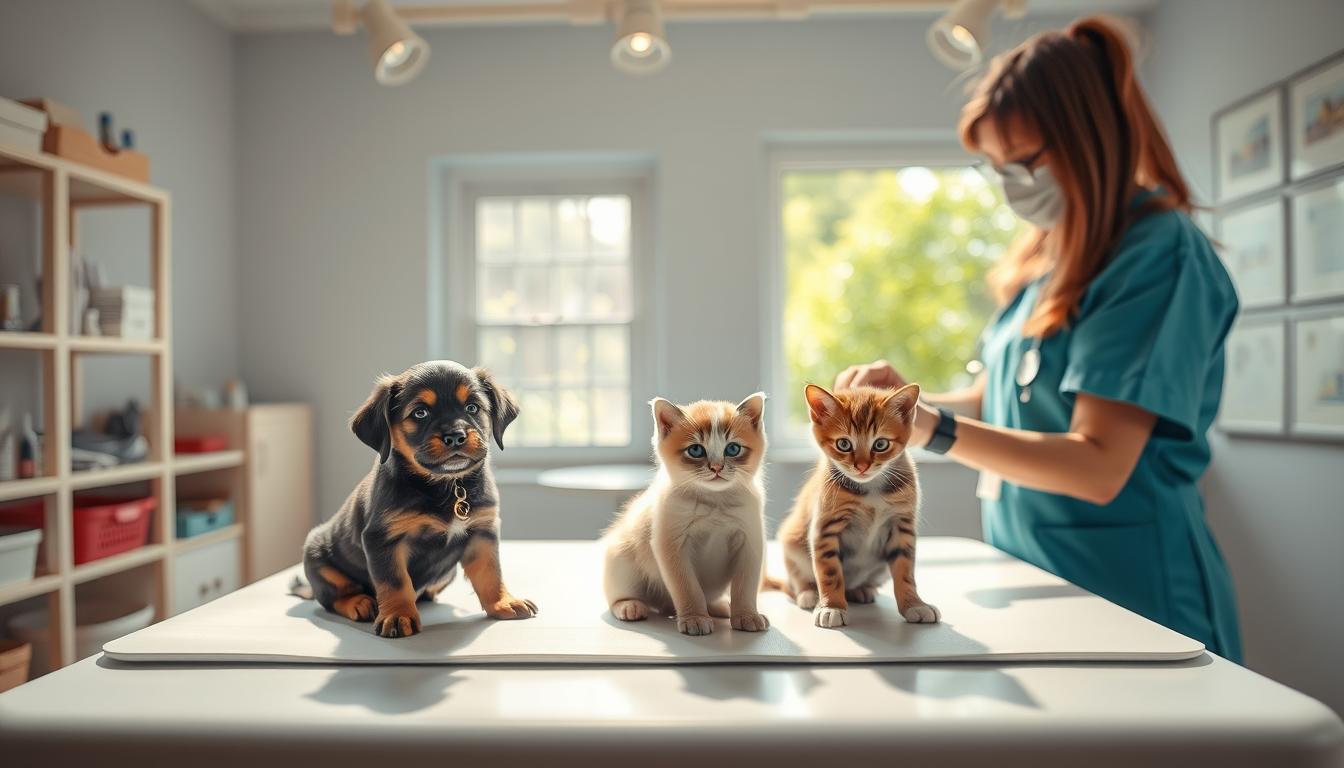
As a pet owner in New Zealand, you’re taking a crucial step towards ensuring the health and wellbeing of your new furry family members by learning about vaccinations. Vaccinations play a vital role in protecting your puppies and kittens from serious, often life-threatening diseases.
We’re excited to guide you through the process, providing you with practical, easy-to-understand information to make informed decisions about your pet’s healthcare needs. By understanding the importance of vaccinations and following the recommended protocols, you’re not only safeguarding your pet’s health but also contributing to the overall wellbeing of New Zealand’s pet population.
Key Takeaways
- Understand the importance of vaccinations for your puppies and kittens.
- Learn about the specific vaccines recommended for pets in New Zealand.
- Discover how vaccinations help prevent the spread of diseases among pets.
- Get guidance on the vaccination process and schedule.
- Make informed decisions about your pet’s healthcare needs.
Understanding the Importance of Pet Vaccinations in New Zealand
As a responsible pet owner in New Zealand, understanding the role of vaccinations in maintaining your pet’s health is crucial. Vaccinations are designed to help prevent your dog or puppy from contracting potentially-fatal dog diseases. They also help to manage the spread of disease within New Zealand’s pet dog population.
Why Vaccinations Are Essential for Your Pet’s Health
Vaccinations are essential for protecting your pet’s health. By vaccinating your pets, you’re not just safeguarding their wellbeing; you’re also ensuring they remain healthy and happy members of your family. Regular vaccinations help prevent the spread of serious diseases that can have devastating consequences.
How Vaccinations Contribute to Community Immunity
When we vaccinate our pets, we’re contributing to the health of all pets in our community. Community or “herd” immunity occurs when enough animals in a population are vaccinated, making it difficult for diseases to spread even to those who aren’t vaccinated. This is particularly important for protecting vulnerable pets who can’t be vaccinated due to age, health conditions, or other factors. In New Zealand’s close-knit communities, maintaining high vaccination rates is essential for preventing disease outbreaks.
By keeping your pet’s vaccinations up to date, you’re being a responsible pet owner not just to your own furry whānau but to all pets in your community. Regular boosters and annual check-ups ensure your pet’s immunity remains strong throughout their life, continuing their contribution to community protection.
Core Vaccinations for Puppies in New Zealand
As a responsible pet owner in New Zealand, understanding the core vaccinations for your puppy is essential. Vaccinations play a vital role in protecting your puppy from serious diseases and ensuring their overall health and wellbeing.
Parvovirus, Distemper, and Hepatitis Protection
Core vaccinations for puppies in New Zealand typically include protection against parvovirus, distemper, and hepatitis. These diseases can be life-threatening, and vaccinating your puppy is crucial in preventing them. Parvovirus, for instance, is highly contagious and can cause severe gastrointestinal symptoms. Distemper affects not only the respiratory system but also the nervous system, making it a potentially fatal disease.
Kennel Cough and Leptospirosis: Optional but Important
Beyond the core vaccinations, there are additional vaccines that your vet may recommend based on your puppy’s lifestyle and risk factors in your specific region of New Zealand. Kennel cough, technically known as canine infectious tracheobronchitis, is a highly contagious respiratory disease that spreads rapidly in places where dogs congregate. Leptospirosis is a bacterial disease that can affect both animals and humans, transmitted through the urine of infected animals, particularly rodents.
Your vet will assess your puppy’s risk based on factors like whether they’ll be boarding frequently, attending doggy daycare, hiking in areas with wildlife, or living on a farm, and recommend these additional vaccinations accordingly.
Core Vaccinations for Kittens in New Zealand
In New Zealand, vaccinations are fundamental for safeguarding your kitten’s health and wellbeing. As a responsible pet owner, it’s essential to understand the core vaccinations recommended for kittens.
Feline Panleukopenia, Herpesvirus, and Calicivirus
The core vaccinations for kittens in New Zealand protect against feline panleukopenia, herpesvirus, and calicivirus. These diseases can be severe and life-threatening, making vaccination crucial for your kitten’s health. Feline panleukopenia, also known as feline distemper, is a highly contagious viral disease that can cause severe symptoms, including fever, vomiting, and diarrhea. Herpesvirus and calicivirus are common causes of upper respiratory infections in cats, leading to symptoms like sneezing, runny eyes, and oral ulcers.
Other Recommended Vaccinations for Kittens
Beyond the core vaccinations, there are additional vaccines that your vet might recommend based on your kitten’s lifestyle and specific risk factors in your area of New Zealand. For instance, the feline leukemia virus (FeLV) vaccination is often recommended for kittens who will have access to outdoors or potential contact with unknown cats. Your vet will help you determine which additional vaccinations are appropriate based on factors like whether your cat will be indoor-only, have outdoor access, live with other cats, or stay in catteries when you travel.
It’s also important to remember that vaccination needs can change throughout your cat’s life, so regular vet check-ups are crucial to reassess risk factors and adjust vaccination protocols as needed. By working closely with your vet, you can ensure your kitten receives the necessary vaccinations to stay healthy throughout their life.
The Ideal Vaccination Schedule for Puppies
Understanding the ideal vaccination schedule for your puppy is crucial for their health and wellbeing. In New Zealand, veterinarians recommend a series of vaccinations at specific ages to ensure your dog is fully protected against serious diseases.
First Vaccinations: 6-8 Weeks
The first round of vaccinations typically occurs when your puppy is between 6 to 8 weeks old. This initial vaccination is crucial as it sets the foundation for your puppy’s immune system. At this stage, your vet will likely administer a core vaccine that protects against diseases such as parvovirus, distemper, and hepatitis.
Second Vaccinations: 10-12 Weeks
At 10 to 12 weeks, your puppy will need a second round of vaccinations. This booster shot is essential to strengthen their immunity and ensure they’re on track to being fully protected. Your vet may also discuss additional vaccinations depending on your dog’s lifestyle and risk factors.
Final Vaccinations: 14-16 Weeks
The final round of puppy vaccinations occurs at 14 to 16 weeks of age. According to Dr. Holland, this timing is critical because any maternal antibodies that could interfere with the vaccine would have dissipated by this age, allowing the vaccine to take full effect. After this final vaccination and a waiting period of about 7-14 days, your puppy should have developed full immunity. Your vet will then recommend a booster vaccination 12 months later, followed by an adult vaccination schedule.
The Ideal Vaccination Schedule for Kittens
The right vaccination schedule is key to giving your kitten a healthy start in life. As a kitten grows, their immune system develops, and vaccinations play a crucial role in protecting them from serious diseases.
First Vaccinations: 8-9 Weeks
At around 8-9 weeks of age, kittens receive their first vaccinations. This initial vaccination is crucial as it introduces the kitten’s immune system to the diseases it’s designed to protect against, such as feline panleukopenia, herpesvirus, and calicivirus. Our vet will advise on the best vaccine for your kitten based on their health and lifestyle.
Second Vaccinations: 12 Weeks
By 12 weeks, kittens need a second round of vaccinations to boost their immunity. This follow-up vaccination is vital to ensure the kitten’s immune system is fully equipped to fight off diseases. It’s also a good time to discuss your kitten’s overall health and care with your vet.
Final Vaccinations: 16 Weeks
The final round of kitten vaccinations occurs at approximately 16 weeks of age. This last vaccination is crucial for ensuring complete protection against targeted diseases. By this age, maternal antibodies have typically dissipated, making the vaccine more effective. After this final vaccination and a waiting period of about 7-14 days, your kitten should have developed full immunity. Your vet will then recommend a booster vaccination 12 months later, followed by an adult vaccination schedule tailored to your cat’s life and risk factors.

What to Expect During Vaccination Appointments
As a pet owner in New Zealand, knowing what to expect during your puppy or kitten’s vaccination appointment is crucial for their health and your peace of mind. We understand that this experience can be both important and intimidating, so we’re here to guide you through it.
Pre-Vaccination Health Checks
Before your pet receives their vaccinations, the vet will perform a health check to ensure they’re healthy enough for the vaccination. This check is vital as it helps identify any potential health issues that could affect the vaccination process or your pet’s response to it.
The Vaccination Process
The actual vaccination process is relatively quick and straightforward. The vet will administer the necessary dose to your pet, usually via an injection. While some dogs might experience slight discomfort, the process is generally well-tolerated.
Post-Vaccination Care and Potential Side Effects
After the vaccination, your vet will provide guidance on care and monitoring for any side effects. Common reactions include mild lethargy, reduced appetite, or slight discomfort at the injection site. More severe reactions are rare but can include allergic reactions. It’s essential to follow your vet’s advice to minimize the risk of complications and ensure your pup or kitten receives the best protection possible.
| Common Side Effects | Description | Action |
|---|---|---|
| Mild Lethargy | Your pet may seem sleepier than usual. | Monitor and ensure rest. |
| Reduced Appetite | Your pet may show less interest in food. | Offer their favorite food; consult vet if persists. |
| Slight Discomfort at Injection Site | Your pet may show signs of pain or swelling. | Contact your vet if it persists or worsens. |
By understanding what happens during a vaccination appointment, you can better support your pet through this important process. If you have any concerns or questions, don’t hesitate to ask your vet. They’re there to help you and your pet every step of the way.
Conclusion: Maintaining Your Pet’s Vaccination Schedule
The importance of vaccinations doesn’t diminish after the first few visits to the vet; in fact, it’s just the beginning. As a responsible pet owner in New Zealand, maintaining your pet’s vaccination schedule throughout their life is crucial for their continued protection against diseases.
We recommend that most pets will need a booster vaccination 12 months after completing their initial vaccination series. Depending on the vaccine type and your pet’s risk factors, regular boosters may be required annually or every three years. These visits not only ensure your pet is protected but also serve as valuable wellness check-ups, allowing your vet to monitor their health and catch any potential issues early.
Regional factors in New Zealand may influence vaccination recommendations. For instance, leptospirosis vaccination is more strongly recommended in rural areas and regions with high rainfall. If you’re traveling with your pet within New Zealand or to boarding facilities, always check if there are specific vaccination requirements, especially during disease outbreaks.
To keep your pet healthy, it’s essential to maintain their vaccination records safely and consider taking photos of them as a backup. These records are vital for boarding kennels, catteries, grooming services, and if you need to change veterinary clinics. Remember, vaccinations are just one aspect of preventative healthcare; regular parasite control, dental care, appropriate nutrition, and exercise are also crucial.
By staying on top of your pet’s vaccination schedule, you’re not only protecting them from potentially fatal diseases but also contributing to the overall health of New Zealand’s pet population through community immunity. Let’s work together to keep our pets healthy and thriving!
FAQ
What diseases do core vaccinations protect against?
Core vaccinations for puppies protect against serious diseases like parvovirus, distemper, and hepatitis. For kittens, they protect against feline panleukopenia, herpesvirus, and calicivirus.
Are there any risks associated with vaccinating my pet?
As with any medical treatment, there are some risks associated with vaccinating your pet. However, the risk of serious side effects is low, and we carefully monitor your pet’s health during and after vaccination.
Can I delay or skip vaccinations if my pet isn’t exposed to other animals?
We don’t recommend delaying or skipping vaccinations, even if your pet isn’t exposed to other animals. Diseases can be transmitted through various means, including contaminated surfaces and indirect contact.
How often does my pet need booster shots?
The frequency of booster shots varies depending on the type of vaccine and your pet’s individual needs. We’ll work with you to determine the best booster schedule for your pet.
What is kennel cough, and is it a serious condition?
Kennel cough is a highly contagious respiratory disease that can affect dogs. While it’s usually not life-threatening, it can cause significant discomfort and distress for your pet.
Are there any additional vaccinations recommended for my pet based on their lifestyle?
Yes, depending on your pet’s lifestyle and risk factors, we may recommend additional vaccinations, such as leptospirosis or Lyme disease vaccines for dogs.
How can I prepare my pet for their vaccination appointment?
To prepare your pet, make sure they’re healthy and well-rested before the appointment. We’ll also provide guidance on any specific pre-vaccination requirements.